Blog
Traditional Bathroom Renovation Ideas: Designs that are Timeless
If you're considering a bathroom renovation and want a design that feels both classic and enduring, a traditional style is a perfect choice, with its rich attention to detail, elegant finishes, and sense of craftsmanship. A traditional bathroom ticks all these boxes and more. Whether you're restoring a period home or adding character into a more modern property, this design style allows you to combine beauty, practicality, and heritage in a way that never goes out of fashion.
Here are some thoughtful and inspiring ideas to guide your traditional bathroom renovation from start to finish.
Choose Statement Fixtures That Define the Style 
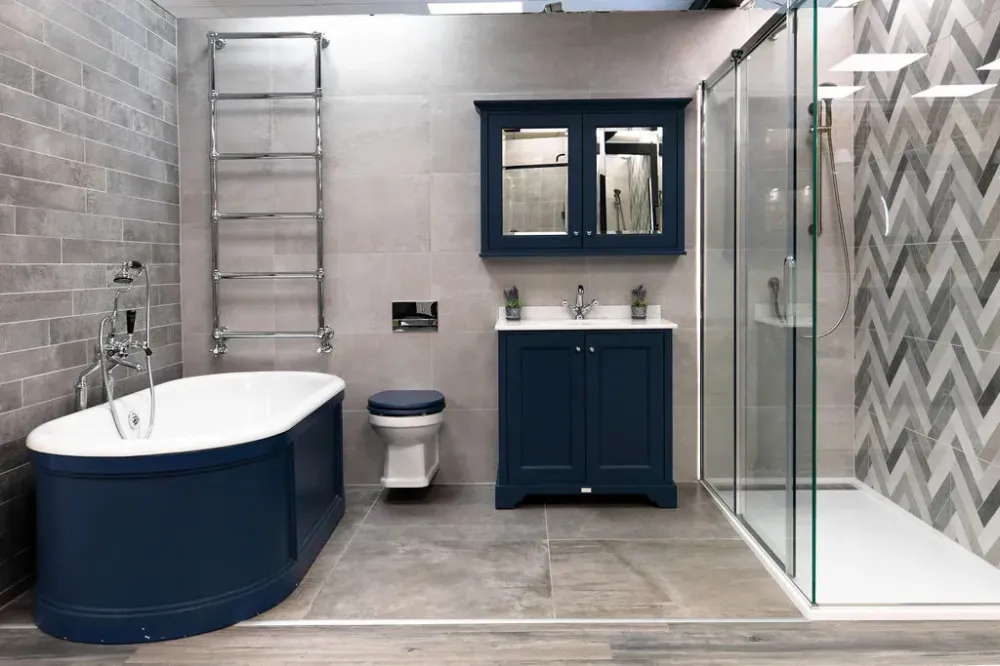
The hallmark of any traditional bathroom is its use of statement fixtures that instantly evoke a sense of time-honoured style. When planning your renovation, consider starting with a freestanding bath – clawfoot and roll-top tubs are iconic choices that bring luxury and charm. Pair these with pedestal sinks, classic high-level toilets with pull chains, and exposed plumbing for an authentic period look.
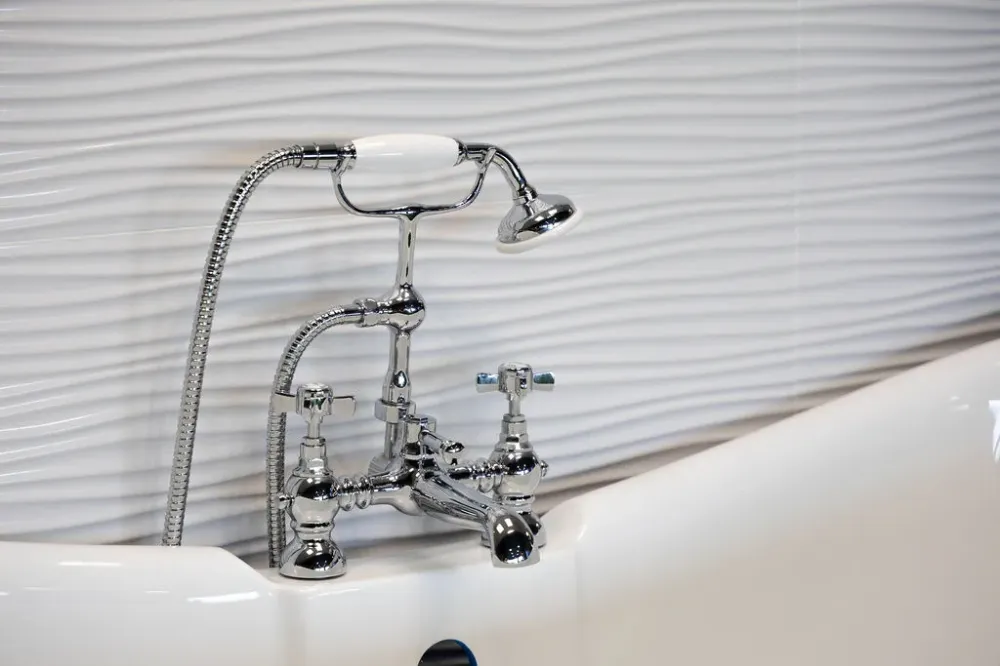
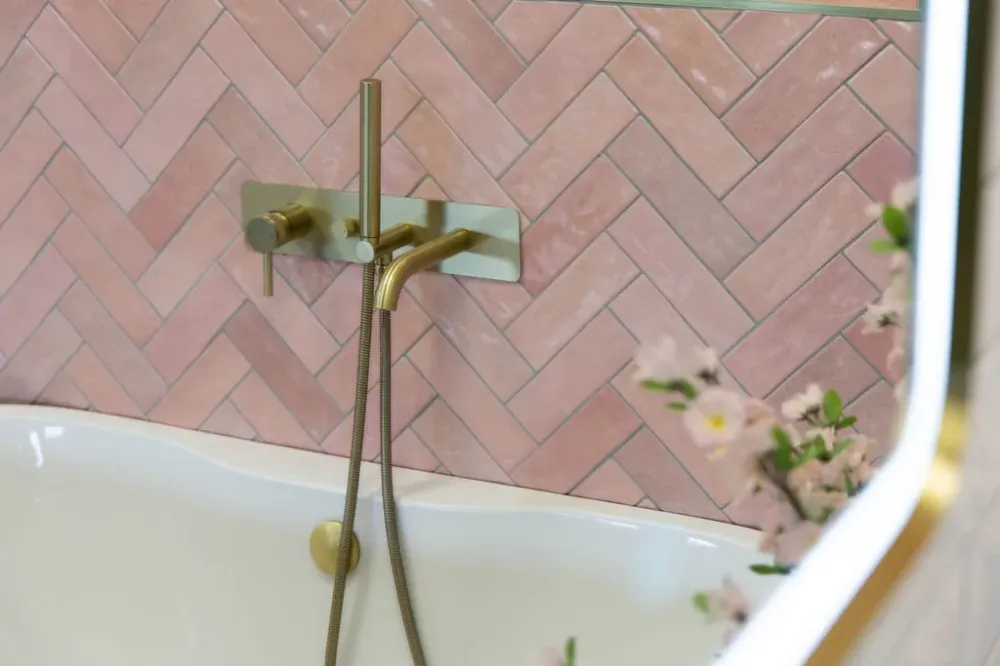
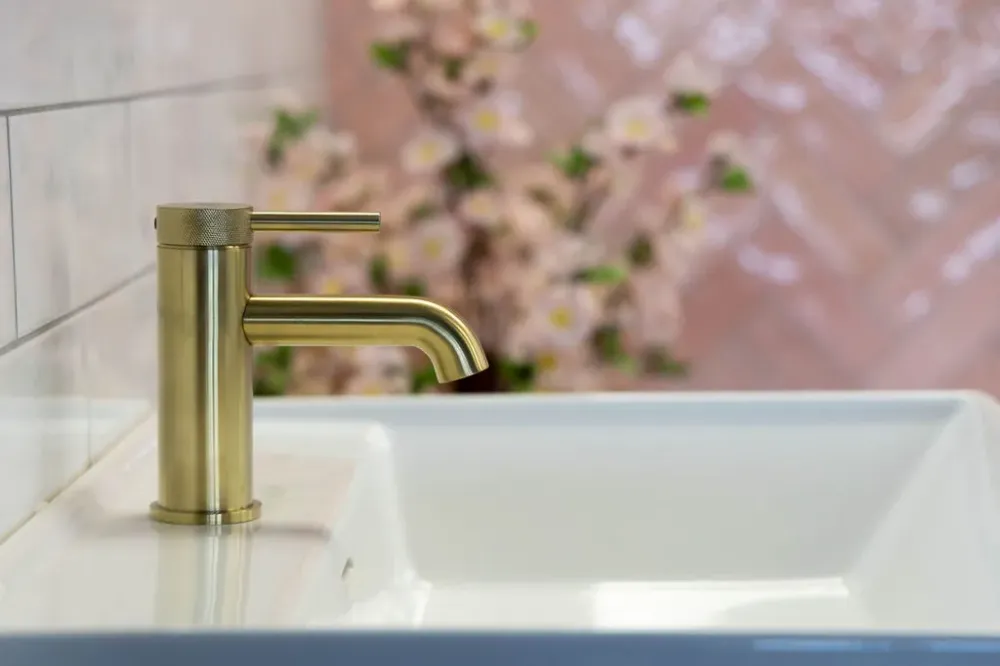
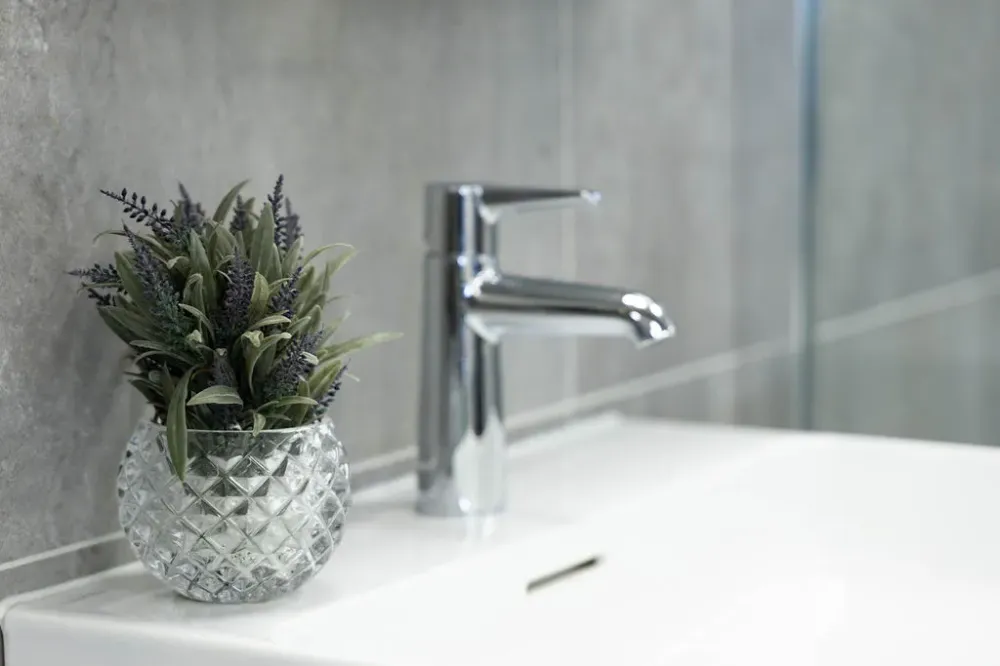
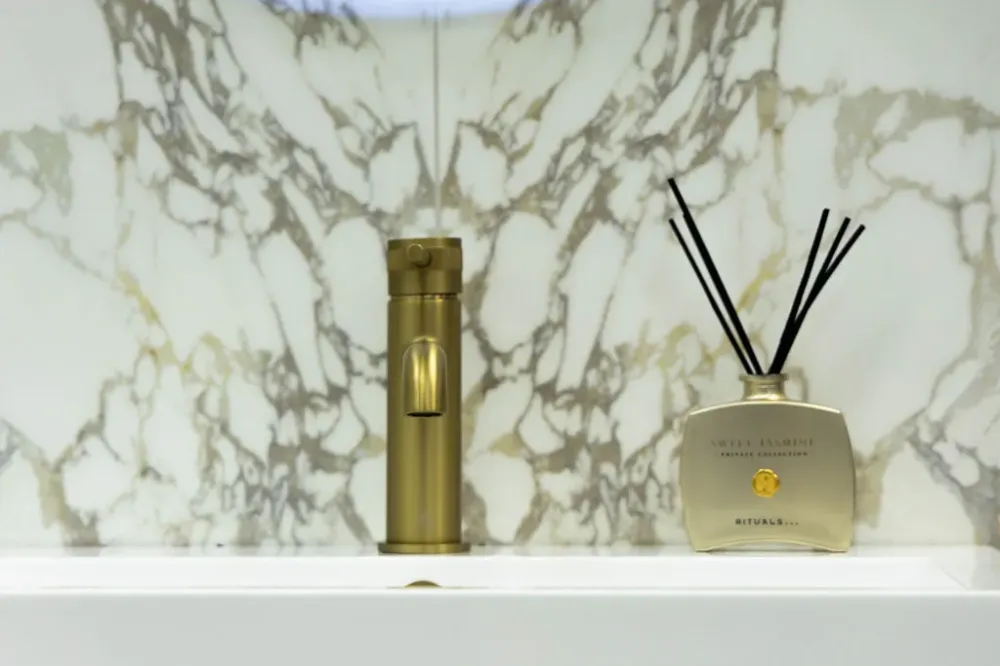
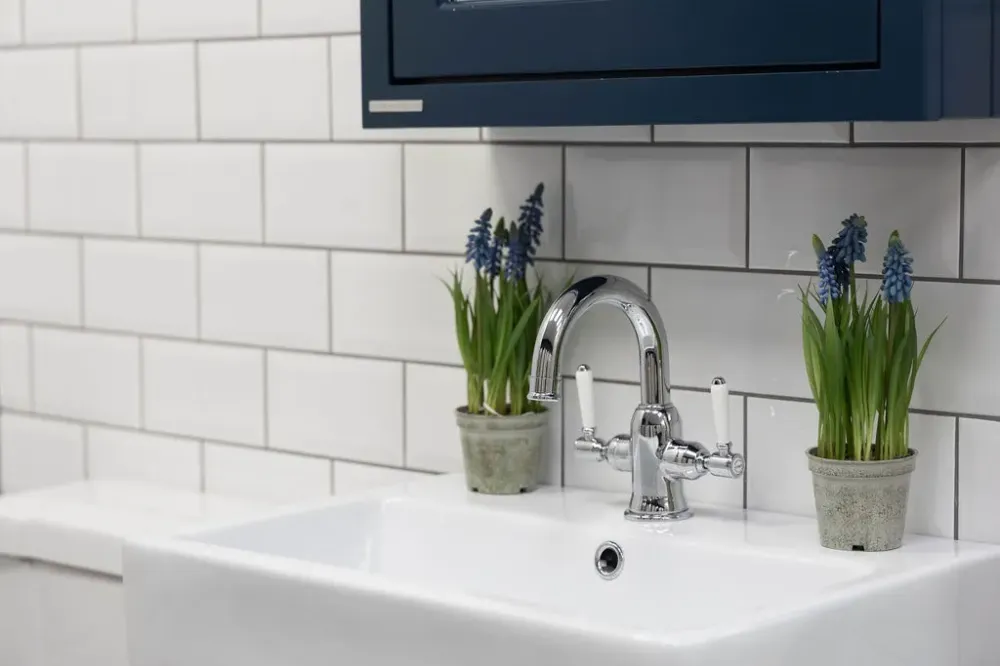
Tapware is also key to setting the tone. Crosshead taps or ceramic-handled levers in finishes such as polished chrome, brushed brass, or antique nickel elevate the design and pair beautifully with traditional ceramics. These fixtures do more than look beautiful; they create a strong foundation for the entire bathroom, helping you stay true to the traditional aesthetic throughout your renovation.
Create a Calming, Elegant Colour Palette
Traditional bathrooms tend to favour soft, neutral colours that promote a serene and welcoming atmosphere. Shades such as ivory, soft grey, muted sage, and pale duck egg blue work wonderfully as wall colours, helping to highlight decorative features without overwhelming the space. If you're looking for something more dramatic, consider rich navy, deep green, or even a burgundy accent wall paired with crisp white detailing for contrast.
These colours not only work well with traditional fixtures and materials, but they also feel timeless, ensuring that your renovated bathroom doesn’t age quickly. Complement your palette with matching painted cabinetry or subtle wallpaper patterns that add interest without dominating the room. Soft textures, vintage floral motifs, and hand-painted finishes can add layers of warmth and personality.
Incorporate Period-Inspired Tiles and Panelling
To add richness and detail to your traditional renovation, think beyond plain walls. Decorative wall panelling, such as tongue-and-groove or raised wainscoting, provides an instantly classic feel and is ideal for adding structure to your layout. Paint the panelling in a complementary tone or crisp white for a clean, cohesive look.
When it comes to flooring and splashback areas, traditional bathrooms often feature Victorian-inspired tiles or stone-effect finishes. Mosaic borders, checkerboard patterns, or encaustic tiles with floral or geometric motifs all bring character and history into the space. These tile choices not only enhance the room visually, but also help ground the overall design in a way that’s both traditional and timeless.
Add a Vanity Unit with Heritage Styling 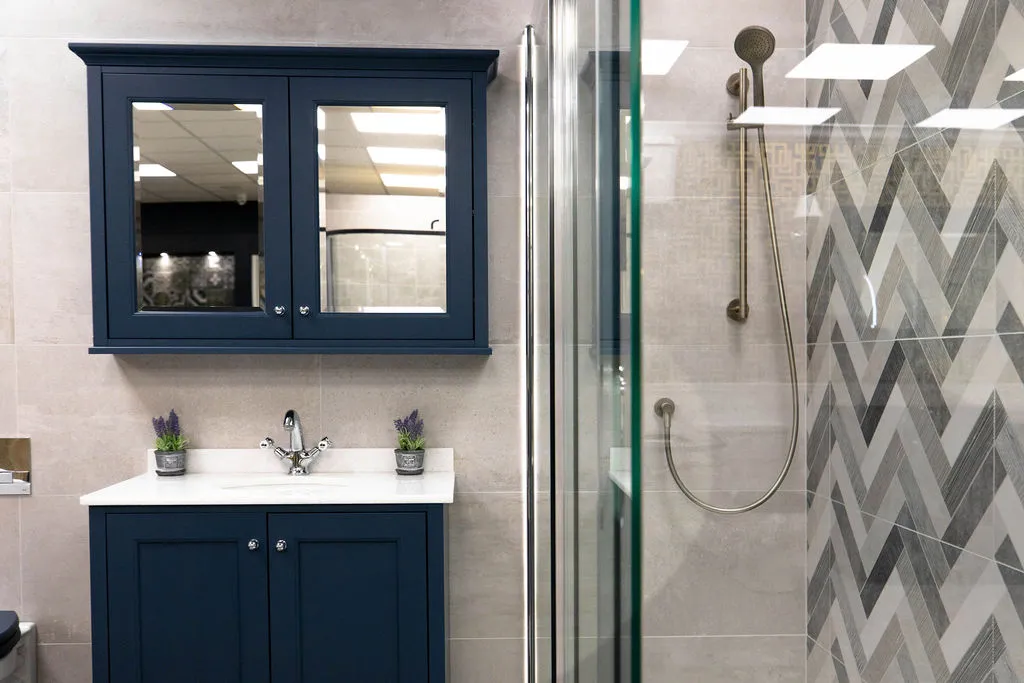
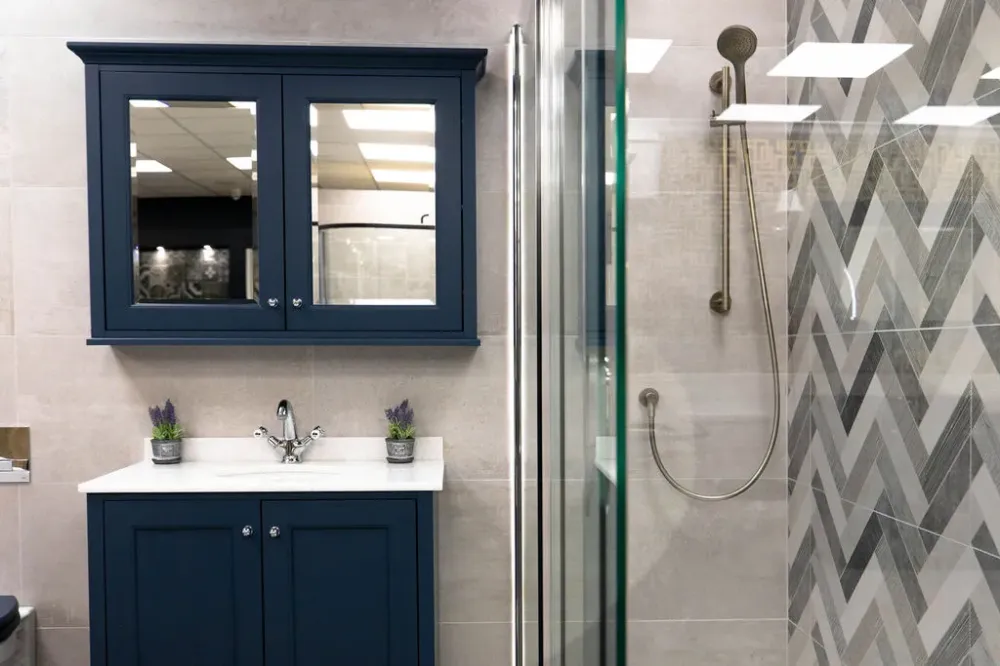
Storage is essential in any bathroom, and a well-chosen vanity unit can provide both practicality and style. Look for a freestanding piece with a painted wood finish, panelled doors, and antique-style hardware. These designs feel like heirloom furniture and can instantly elevate the look of your bathroom.
Marble or quartz countertops work beautifully in traditional spaces, especially when paired with ceramic undermount sinks and curved edges. Soft greys, navy, and ivory are all popular finishes for the cabinetry, with brass or chrome handles tying the design together. This kind of vanity balances old-world charm with modern convenience – ideal for busy households looking for function without compromising on style.
Layer in Traditional Lighting for Warmth and Ambience
Lighting is often overlooked during renovations, but in a traditional bathroom, it plays a crucial role in creating atmosphere. Wall sconces with glass, ceramic, or fabric shades positioned on either side of a mirror provide flattering lighting while enhancing the classic look. Overhead, consider a central pendant light, glass globe, or even a small chandelier for a touch of glamour.
If your renovation includes a freestanding bath, a pendant light placed above it can add a dramatic focal point. Opt for warm white bulbs to keep the space inviting, and choose finishes that complement your taps and handles for a unified scheme. The right lighting brings everything together, elevating the overall mood and comfort of the room.
Use Accessories to Add Personality and Character 
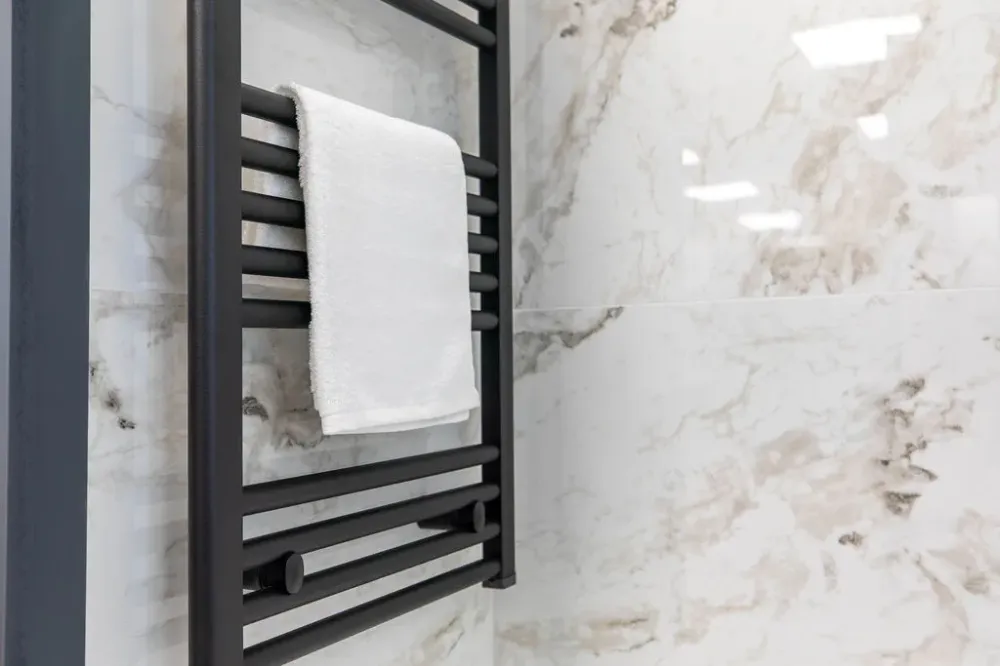
Once the core elements of your renovation are complete, it’s time to turn your attention to the finishing touches. Accessories play a big role in reinforcing the traditional theme and making the space feel lived-in. Framed mirrors with ornate or distressed finishes, vintage-style soap dishes, toothbrush holders, and freestanding towel rails all add personality and purpose.
Incorporate natural elements like wooden stools, woven baskets, and soft linen towels in muted shades for texture and warmth. Consider hanging framed botanical prints, watercolour artwork, or black-and-white photographs for an added sense of history and style. These details make the space feel cohesive, thoughtful, and entirely your own.
Combine Tradition with Modern Functionality
A traditional bathroom may take its design cues from the past, but that doesn’t mean you need to compromise on modern comfort. In fact, some of the most successful renovations seamlessly blend heritage aesthetics with cutting-edge functionality — ensuring your space is not only beautiful but also a pleasure to use every day.
Start by integrating features that enhance comfort without disrupting the period style. Underfloor heating is a perfect example: invisible once installed, it eliminates the need for bulky radiators and keeps the room feeling cosy year-round. Soft-close drawers and cupboards offer a refined, quiet touch while preserving the classic look of your cabinetry.
When it comes to lighting, consider adding dimmable switches or layered lighting zones, allowing you to tailor the ambience depending on the time of day. Mirrors with built-in demisters and discreet LED lighting provide everyday practicality without looking overly modern. Smart controls for heating, lighting, or even ventilation can be subtly incorporated for added convenience.
Plumbing technology has also advanced significantly, allowing you to enjoy high-efficiency toilets and water-saving taps in vintage styles. Similarly, thermostatic shower systems ensure safety and consistent temperature while fitting seamlessly into traditional brassware ranges.
Ultimately, the key is balance. A well-renovated traditional bathroom should feel charming and characterful, but never outdated or impractical. By combining timeless style with thoughtful, modern upgrades, you can enjoy the best of both worlds – a space that honours classic design while fully supporting your lifestyle.
Respect the Character of Your Home
If you’re renovating a bathroom in a period property, preserving the character of the home should guide your design decisions. Retaining original features like cornicing, fireplaces, or sash windows can help maintain continuity throughout the property. But even in a newer home, a traditional renovation can be highly effective, especially if you want to introduce charm and warmth into an otherwise contemporary space.
A successful traditional renovation doesn’t rely on replicating the past exactly. It’s about drawing on the best of heritage design and reimagining it in a way that suits modern living. Done well, it results in a bathroom that feels elegant, welcoming, and timeless.
Frequently Asked Questions About Traditional Bathrooms 
When it comes to bathroom renovations, traditional styles continue to hold timeless appeal. Whether you're updating a period property or simply love the elegance of classic design, a traditional bathroom can bring warmth, character, and lasting quality to your home. From the materials you choose to the layout and fittings, every detail plays a part in creating a space that feels both refined and functional. Below are answers to some of the most common questions people ask when planning a traditional bathroom renovation—each one offering insight into how to get the style just right.
1. What defines a traditional bathroom style?
Traditional bathrooms are inspired by classic design principles and often reflect the elegance of past eras such as Victorian, Edwardian, or Georgian styles. Key features include freestanding baths, pedestal sinks, high-level cistern toilets, and ornate detailing across fixtures and finishes. The focus is on balance and symmetry, often using warm, natural materials like wood and stone. Subtle decorative touches—such as panelling, cornices, or heritage-style taps—help to create a space that feels timeless, inviting, and refined.
2. Can you mix traditional elements with modern features?
Yes, and in many cases, this combination works beautifully. While traditional bathrooms showcase classic design, many homeowners want the convenience of modern functionality. It's entirely possible to incorporate elements like walk-in showers, underfloor heating, LED lighting, or even smart controls into a traditional layout. The key is careful planning—selecting contemporary features that complement rather than clash with the traditional aesthetic. When done well, the result is a bathroom that offers the best of both worlds: charm and character alongside day-to-day practicality.
3. Are traditional bathrooms suitable for smaller spaces?
Absolutely. A traditional look isn’t limited to large, period-style homes. With the right design approach, compact bathrooms can carry a traditional feel without appearing crowded. Scaled-down fittings, such as cloakroom basins or back-to-wall WCs, help maximise floor space. Choosing lighter colour schemes, wall-mounted lighting, and well-placed mirrors can also make smaller rooms feel open and elegant. Attention to proportion and detail is essential, ensuring that even a modest-sized bathroom can maintain the warmth and personality of traditional design.
4. What are the best fixtures to include in a traditional bathroom?
Traditional bathrooms typically feature fixtures that are both decorative and enduring. Roll-top or slipper baths, especially when placed as a centrepiece, bring an immediate sense of period style. Pedestal or console basins add elegance, while crosshead or lever-style taps in chrome or brass finishes provide a vintage touch. High-level or close-coupled toilets with ceramic lever flushes are also popular. Lighting and accessories play a crucial role—wall sconces, vintage-style mirrors, and classic towel rails all contribute to a cohesive and characterful space.
5. How much does a traditional bathroom renovation typically cost?
The cost of a traditional bathroom renovation can vary widely depending on the size of the space, the level of bespoke work involved, and the quality of materials chosen. For a full renovation, prices generally start at around €13,000. This may include layout changes, custom cabinetry, premium fixtures, and traditional tiling. More complex projects, such as those in older properties or heritage homes, may require additional structural work or restoration, which can increase the overall budget. A detailed consultation and design process is always recommended to provide a clear cost breakdown.
At Ripples Bathrooms, we specialise in creating bespoke bathrooms that reflect your personal style and the unique character of your home. Whether you're aiming to restore the past or simply love the sophistication of classic interiors, our expert team will guide you through every step – from design consultation to final installation.
To begin your traditional bathroom renovation journey, visit our Dublin showroom or book a home consultation with one of our experienced designers. Call us today on 01-969 6705 or visit www.ripplesbathrooms.ie/contact-us to get started – we’d love to help bring your vision to life.